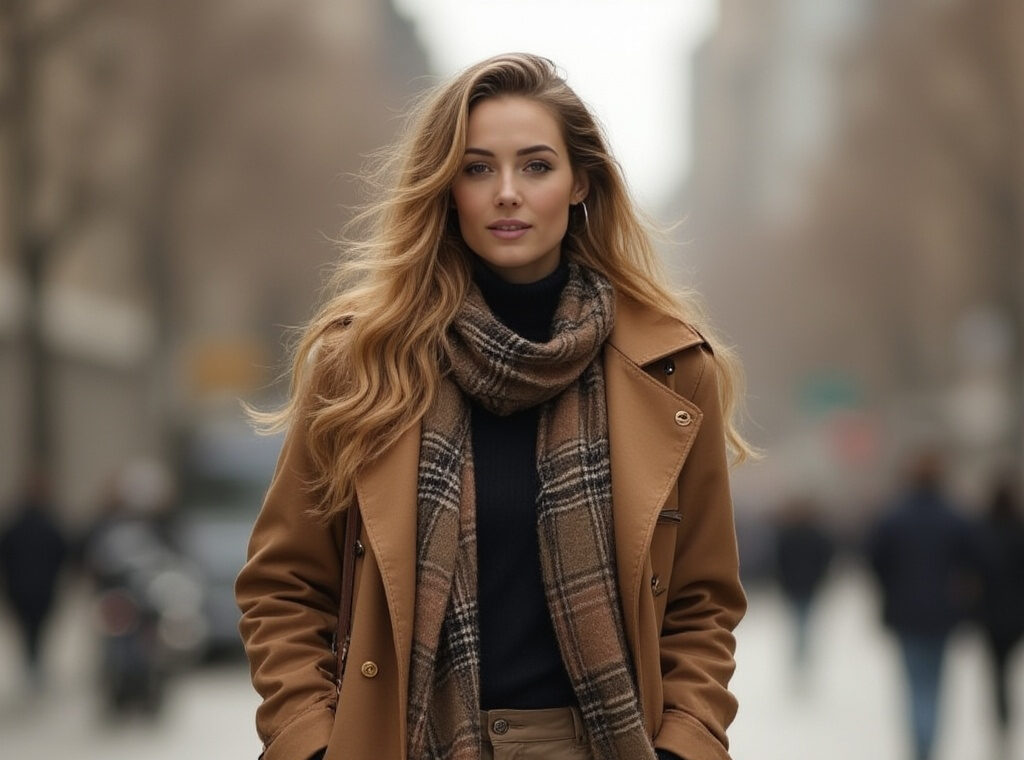
Your personal style is more than just the clothes you wear—it’s your visual signature, your non-verbal introduction, and a reflection of who you are. While fashion trends come and go, personal style remains timeless. Many people struggle to find a look that feels authentic and consistent, but with the right expert guidance, discovering your personal style becomes a journey of self-expression rather than confusion.
In this article, we’ll share an experts advice to finding your personal style, complete with practical steps, styling insights, and confidence-boosting tips to help you embrace your unique aesthetic.
Understanding the Concept of Personal Style
What Does Personal Style Really Mean?
Personal style is the way you choose to express yourself through clothing, accessories, and overall presentation. Unlike fast-changing fashion trends, it’s rooted in authenticity and consistency. It communicates your values, personality, and lifestyle without you having to say a word.
The Difference Between Fashion and Style
Fashion is temporary, but style is permanent. Fashion dictates what’s “in” for the season, while style is your personal interpretation of those trends. For example, two people can wear the same blazer, but how they style it—paired with sneakers or heels, minimal jewelry or bold accessories—defines their individuality.
The Role of Self-Discovery in Developing Style
Identifying Your Personality Through Clothing
The clothes you feel most comfortable in often reveal your personality. If you gravitate toward structured silhouettes, you may prefer order and confidence. Flowing fabrics and casual fits may point to a free-spirited nature.

How Lifestyle Influences Your Wardrobe
Your daily activities shape your wardrobe choices. A corporate professional might need tailored pieces, while a creative freelancer might prefer relaxed yet stylish looks. Aligning your wardrobe with your lifestyle ensures practicality without sacrificing identity.
Expert Advice to Finding Your Personal Style
Step 1: Assess Your Current Wardrobe
Start by evaluating what you already own. Ask yourself: Which pieces do I wear repeatedly? Which ones never leave the hanger? This helps identify both your comfort zone and the gaps in your wardrobe.
Step 2: Explore Inspiration and Mood Boards
Pinterest, Instagram, and fashion magazines are gold mines for inspiration. Create a mood board of outfits, textures, and colors you love. Over time, you’ll notice recurring patterns that highlight your true style preferences.
Step 3: Understand Body Shape and Fit
Style isn’t just about clothes—it’s about how clothes fit your body. Experts emphasize understanding your proportions, as a well-fitted garment can elevate even the simplest outfit.
Step 4: Choose Colors That Reflect You
Color psychology plays a role in style. Neutral palettes often reflect sophistication, while bold hues suggest confidence and creativity. Experiment until you find shades that complement both your skin tone and personality.
Step 5: Define Your Signature Pieces
Signature pieces—like a leather jacket, statement handbag, or tailored blazer—anchor your style identity. They become recognizable elements that others associate with you.
Step 6: Balance Trends with Timeless Pieces
Trends are fun, but they shouldn’t dominate your wardrobe. Instead, mix timeless staples like white shirts and dark denim with seasonal updates for a balanced look.
Building Confidence Through Your Style
How Clothes Affect Your Self-Esteem
Studies show that the way you dress directly influences your confidence levels. Wearing outfits that reflect your personality gives you a psychological boost, making you feel more in control and self-assured.
The Psychology of Dressing Well
Dressing well doesn’t mean dressing expensively—it means dressing intentionally. When your style aligns with your inner self, you project confidence and authenticity, which others naturally gravitate toward.
Common Mistakes People Make When Defining Style
Copying Instead of Creating
It’s easy to copy influencers, but true style develops when you personalize inspiration. Simply replicating others prevents your authentic voice from shining through.
Overloading on Trends
Buying every seasonal “must-have” leaves you with a cluttered wardrobe and no consistent look. Instead, selectively add trends that complement your base style.
Ignoring Comfort and Authenticity
Clothes should enhance—not hinder—your comfort. Authentic style should feel natural, not forced.
Sustainable and Conscious Style Choices
The Importance of Quality Over Quantity
An expert’s advice is clear: invest in fewer, higher-quality pieces. They last longer, save money in the long run, and reduce your environmental footprint.
Investing in Timeless Wardrobe Essentials
Classic items like a crisp white shirt, tailored blazer, or little black dress never go out of style. These form the backbone of a versatile wardrobe.
Expert Tips to Maintain and Evolve Your Style
Updating Your Wardrobe Seasonally
Every season, review your wardrobe. Donate what no longer resonates and refresh with pieces that match your evolving identity.
Experimenting Without Losing Your Essence
Style evolves over time. Experiment with new colors, accessories, or silhouettes—but always keep your core identity intact.
Knowing When to Let Go of Clothes
Holding onto pieces that don’t fit your body or personality prevents growth. Decluttering helps make space for the wardrobe that truly represents you.
FAQs About Finding Your Personal Style
Q1: How long does it take to find your personal style?
Finding your style is an ongoing journey. Most people start to feel confident after 6–12 months of conscious experimentation.
Q2: Can personal style change over time?
Yes, your style evolves as your lifestyle, career, and preferences shift. That’s the beauty of fashion—it grows with you.
Q3: Do I need a large budget to build my style?
Not at all. Building a personal style is more about creativity and curation than expensive shopping. Thrift stores and capsule wardrobes are great starting points.
Q4: How do I avoid feeling overwhelmed by trends?
Focus on timeless pieces and add only one or two trendy items per season. This keeps your wardrobe fresh without losing consistency.
Q5: What’s the difference between minimal and expressive style?
Minimal styles rely on clean lines, neutral colors, and simplicity, while expressive styles embrace bold prints, textures, and accessories.
Q6: Can personal style improve career opportunities?
Absolutely. Dressing well enhances first impressions, builds confidence, and can positively influence professional relationships.
Conclusion: Embrace Your Authentic Self
Personal style is not about chasing trends—it’s about embracing who you are. With an experts advice to finding your personal style, you can build a wardrobe that reflects your authenticity, boosts your confidence, and evolves with your life. Remember, true style is timeless because it comes from within.



Leave a Comment